SIBO
Small intestinal bacterial overgrowth (SIBO) is a common condition that causes a range of digestive symptoms.
In this article, we will explain what SIBO is and what the symptoms of SIBO are, the main causes, and the different types.
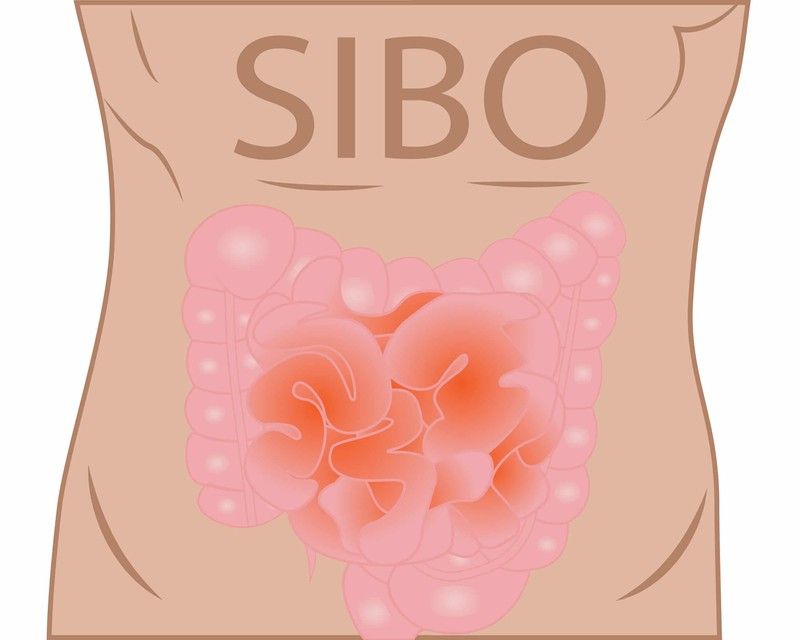
Small intestinal bacterial overgrowth (SIBO) refers to an abnormal increase in the bacterial population in the small intestine, particularly of some types of bacteria that are not commonly found in that part of the digestive tract. 1 Unlike the large intestine (colon), the small intestine normally has a relatively low amount of bacteria due to rapid intestinal transit and the presence of bile. With small intestine bacterial overgrowth, these bacteria can interfere with nutrient absorption and produce gas that contributes to bloating and discomfort, and unabsorbed nutrients can further facilitate bacterial overgrowth.
Direct symptoms associated with small intestine bacterial overgrowth often include: functional diarrhea or constipation, abdominal pain, bloating and gas, uncomfortable feeling of fullness after eating or slow digestion, loss of appetite, unintentional weight loss, malnutrition due to nutrient malabsorption.
In particular cases, other indirect symptoms may occur such as lack of concentration, fatigue, muscle pain, headache, insomnia, anxiety, and changes in the skin, hair, and nails.
Prevalence of SIBO
justify;">Up to 20% of the healthy population may test positive for SIBO, although this percentage varies considerably and does not always correlate with symptoms.
People with obesity, diabetes, hypothyroidism, or digestive system disorders may account for up to 40-50% of cases. Even so, the highest prevalence, between 80-90% of cases, occurs in people with previous pathologies such as celiac disease, Crohn's disease, ulcerative colitis, irritable bowel syndrome, chronic fatigue syndrome, fibromyalgia, and abdominal or digestive system surgeries, among others. However, the reliability of this data remains debated, given that the most commonly used tests for diagnosis, such as the lactulose breath test, lack accuracy and have a high risk of false-positive results.
Main causes of SIBO in apparently healthy people
The causes most directly associated with SIBO mainly include:
Structural alterations: Diverticula in the small intestine, blind loops, and adhesions. These conditions create spaces that allow excessive growth of bacteria.
Motility problems: Dysfunctions in intestinal transit, such as gastroparesis, prolonged use of opiates, and connective tissue diseases, such as scleroderma. These factors can slow intestinal flow, promoting bacterial buildup.
Biochemical imbalances: Hypochlorhydria (low gastric acidity) caused by prolonged use of proton pump inhibitors or atrophic gastritis allows more bacteria to survive and reach the small intestine. Chronic pancreatobiliary insufficiency also interferes with the elimination of bacteria, promoting their overgrowth.
Psychological factors: Chronic stress, anxiety disorders, depression, mood disorders, and sleep disturbances have been associated with SIBO due to their potential influence on altered intestinal motility and weakening of the immune system.
An unbalanced diet: A diet low in fiber and lactic bacteria, and high in ultra-processed foods, reduces beneficial microbiota and facilitates bacterial overgrowth in the small intestine.
Poor oral hygiene: Oral bacteria can colonize the intestine and alter its balance.
Aging: It decreases gastric motility and acidity.
Not all patients have SIBO. SIBO are not the same nor are they treated the same
They are classified into 3 types according to the gas that is generated and accumulated the most in the small intestine, and are identified by their symptoms:
Hydrogen (H2) SIBO Gas and bloating
Diarrhea
Poorly formed yellowish stools
Methane (CH4) SIBO
Gas and bloating
Slow transit and constipation
Floating stools in the form of hard balls
Hydrogen (H2) SIBO Hydrogen Sulfide (SH2) Gas and bloating
Diarrhea or constipation Foul-smelling flatulence
What happens if I don't treat a functional digestive disorder?
If a functional digestive disorder (FDD) is left untreated, a number of effects can occur that will affect quality of life. Symptoms such as abdominal pain, bloating, diarrhea, or constipation can become chronic and cause persistent discomfort, interfering with lifestyle, including eating, sleeping, and daily activities.
In addition, TDFs are often associated with stress and anxiety, and in some cases, lack of treatment can aggravate these emotional problems, creating a cycle in which stress increases digestive symptoms and vice versa.
Over time, chronic symptoms can lead to malnutrition if TDF affects nutrient absorption or if the person limits their diet to avoid symptoms, which can further impact their health, with the first sign of this being the appearance of iron deficiency anemia (due to lack of adequate iron intake).
Which professional should I go to?
In the treatment of TDFs, the following are considered: In functional digestive disorders (FDD), a multidisciplinary approach is key, and the roles of the physician, dietician-nutritionist, and psychologist complement each other to comprehensively address the symptoms and their impact on quality of life.
The gastroenterologist or primary care physician initially assesses the symptoms and performs tests to rule out other causes. Their primary role is to diagnose FDD and offer pharmacological treatments when necessary to relieve symptoms such as abdominal pain or diarrhea. In addition, the physician monitors the progress and coordinates with other specialists to ensure comprehensive treatment tailored to the patient's needs.
The dietician-nutritionist is responsible for adapting and supervising the dietary plan to prevent certain foods from exacerbating digestive symptoms. They work on dietary strategies that can improve symptoms of bloating and discomfort. It also helps to identify and educate about eating behaviors that could be contributing to symptoms and ensures that the patient maintains a healthy diet.
The psychologist is essential in managing the emotional impact of the symptoms, as well as the stress and triggering psychological comorbidities. Through psychology, patients are helped to develop strategies to manage stress, anxiety, or even eating disorders that may arise due to physical discomfort. Psychological intervention has been shown to be effective, improving not only emotional well-being, but also reducing gastrointestinal symptoms.
1 https://www.mayoclinic.org/es/diseases-conditions/small-intestinal-bacterial-overgrowth/symptoms-causes/syc-20370168?p=1
Other related articles
 Jan. 15, 2026
How to restore intestinal transit and combat constipation?
Constipation is one of the most frequent reasons for consultation in pharmacies. … Oct. 7, 2025
🌿 Telogen effluvium: when the hair goes into pause
Are you noticing that your hair is falling out more than usual? … Sept. 18, 2025
Natural allies to prepare your immune system against respiratory pathogens
With the arrival of time change, shorter days, and sudden changes in … Aug. 21, 2025
☀️ Oral sunscreens: the ideal complement to protect your skin from within
When we think of sun protection, the first thing that comes to … April 29, 2025
Our customers trust us
Opinions of our clients
Receive our news