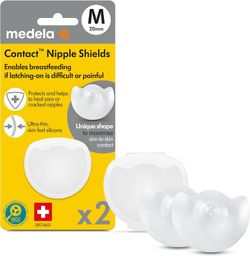
Features
- They allow breastfeeding when the baby's latch is difficult or painful, or if you have flat or inverted nipples.
- They protect sensitive, dry, or cracked nipples during breastfeeding.
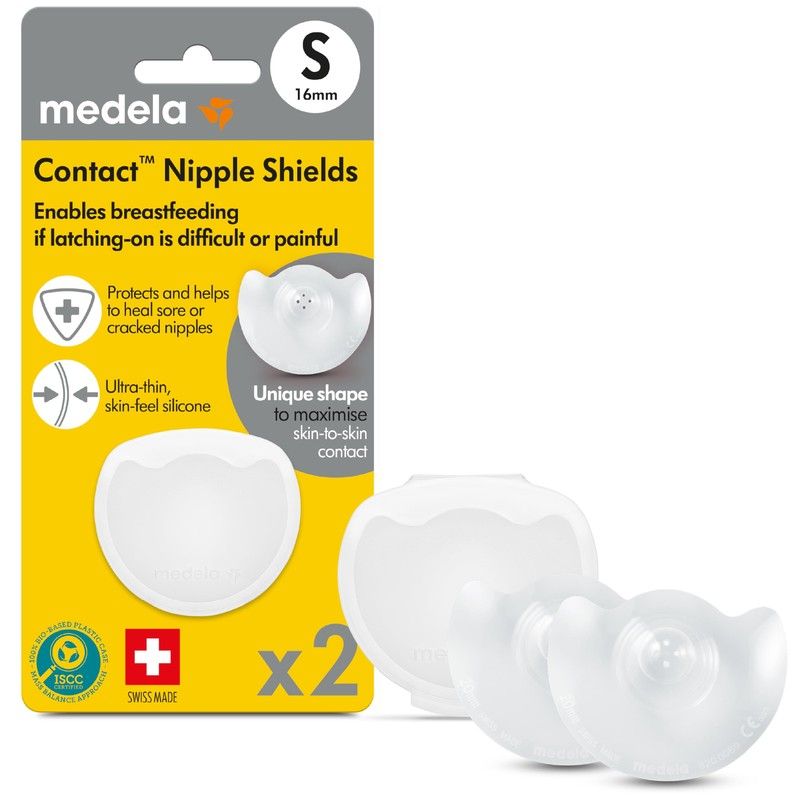
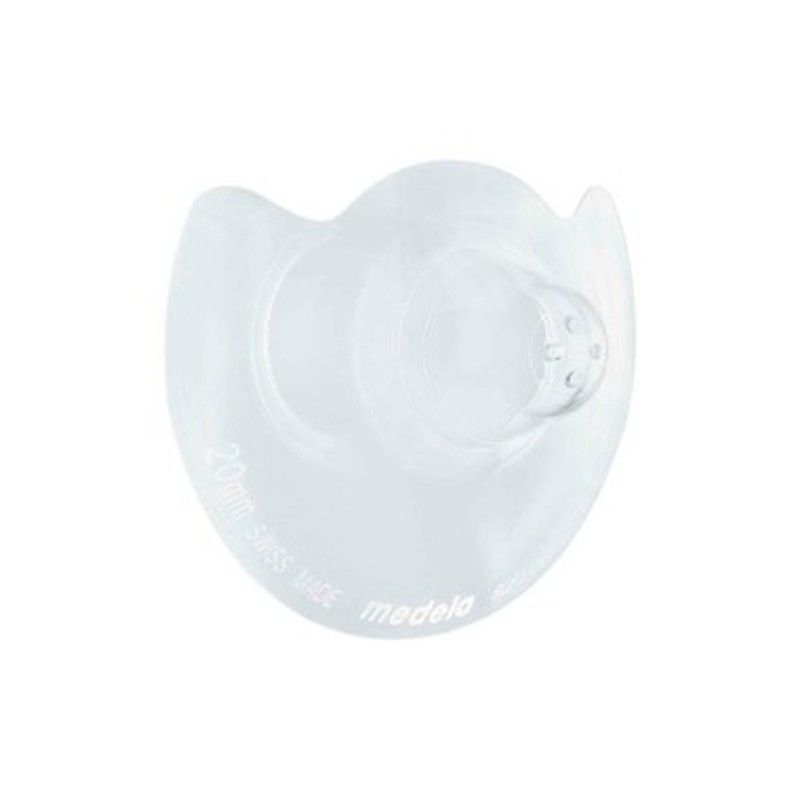
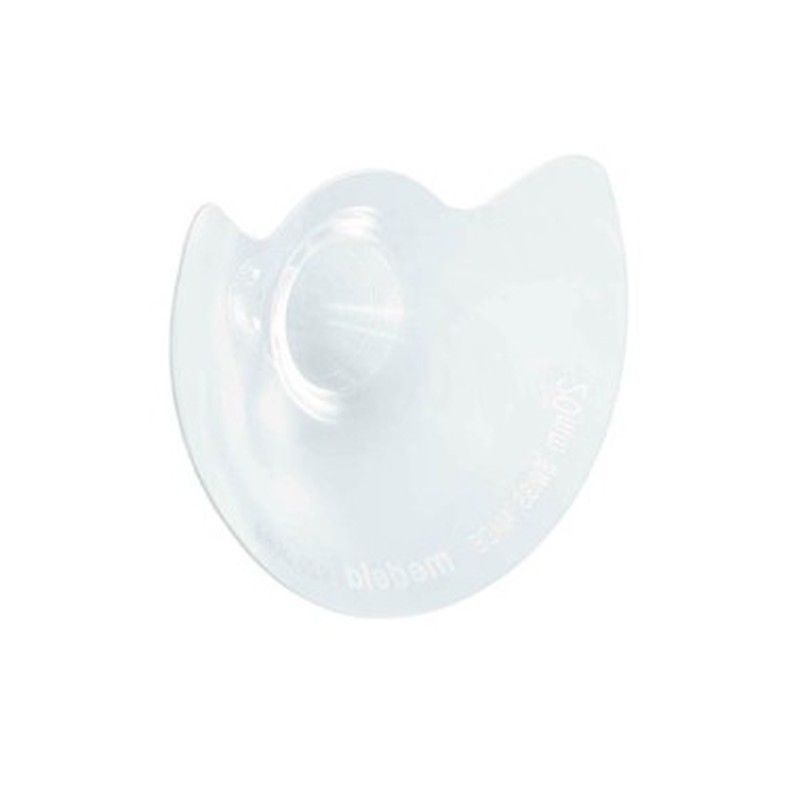
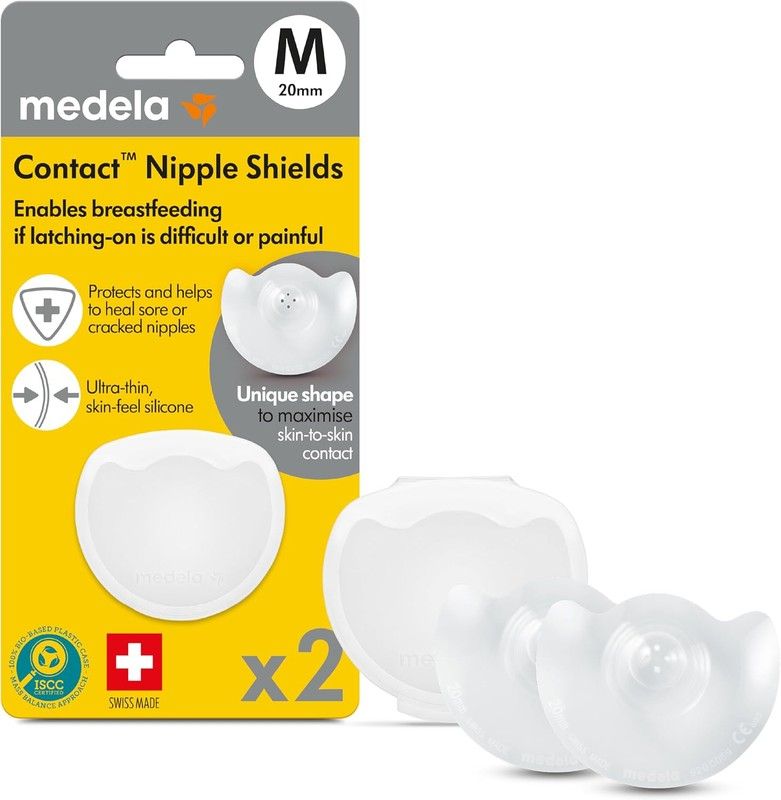
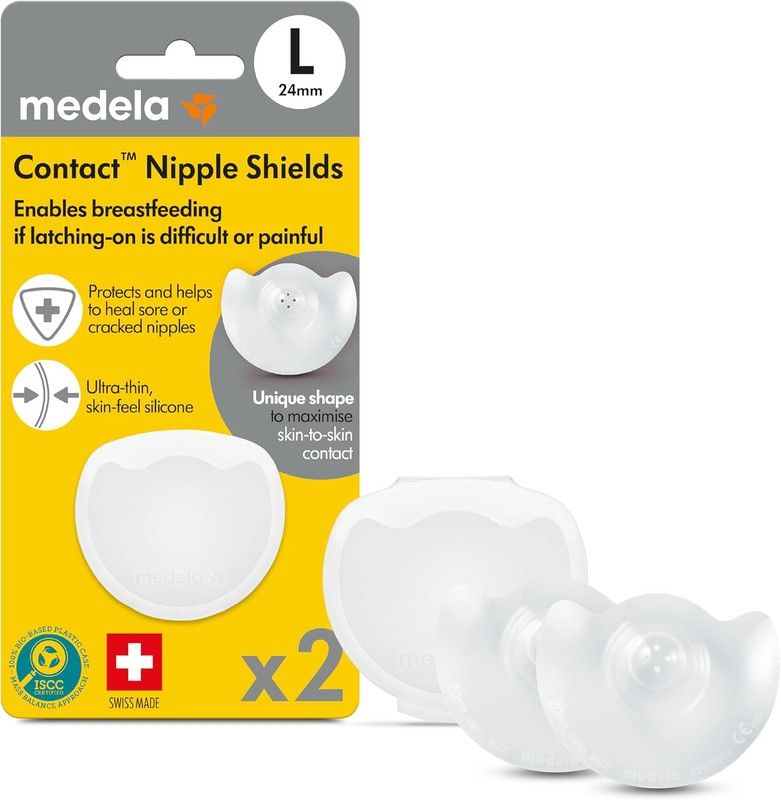
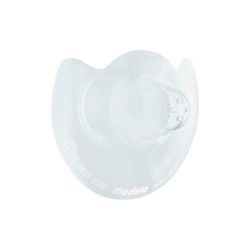
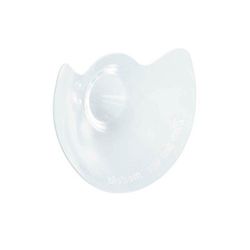
- They are made of transparent, soft, and ultra-thin silicone, which is comfortable for sensitive skin.
- They are safe and tasteless for the baby.
- Their shape maximizes skin-to-skin contact with the baby.
- They are BPA (Bisphenol A) free.
When to use breastfeeding nipple shields:
There are three main situations in which you can use breastfeeding nipple shields:
- If you have cracked or sore nipples.
- If you have flat or inverted nipples.
- If your baby is having trouble latching on to the nipple and is not getting enough milk to drink properly.
Your lactation consultant or specialist can help you figure out if nipple shields are a good option for you and can also help you with your current breastfeeding needs.
How to use breast shields:
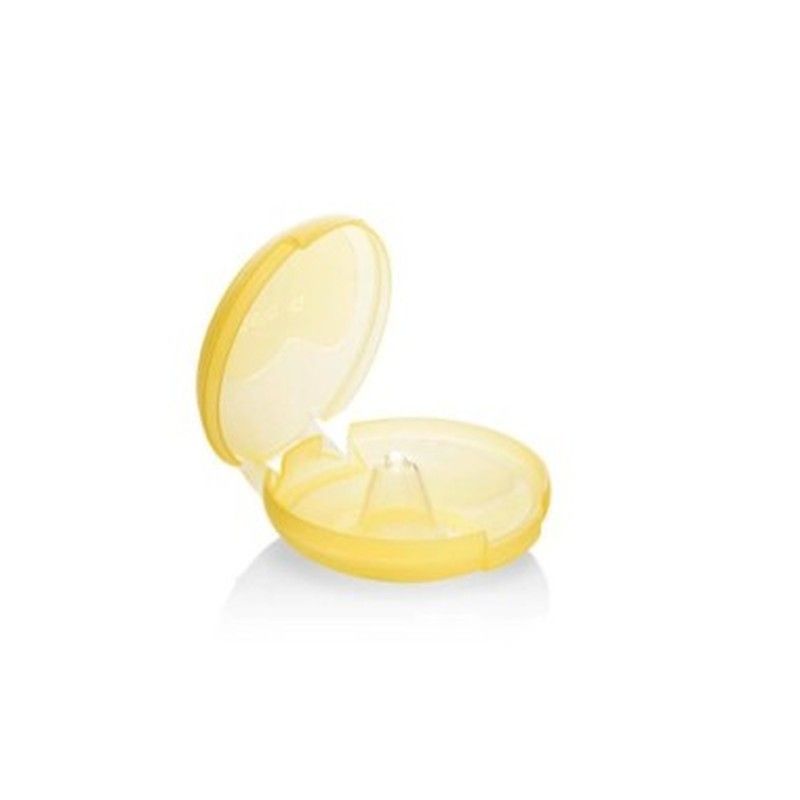
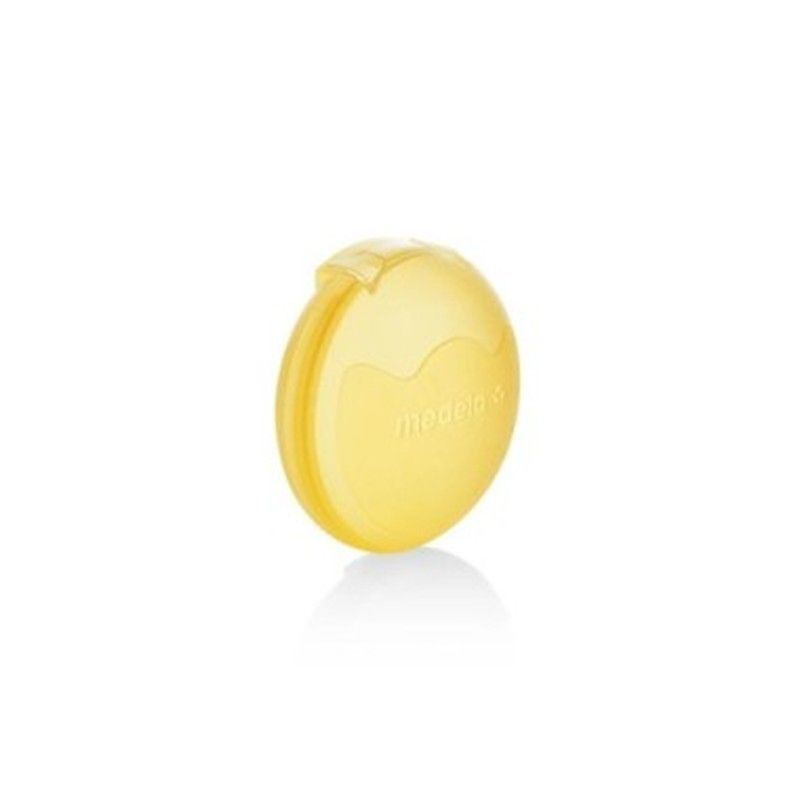
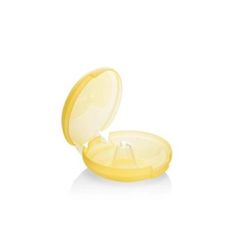
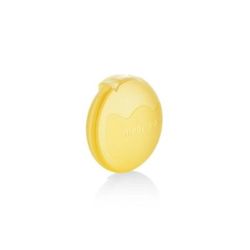
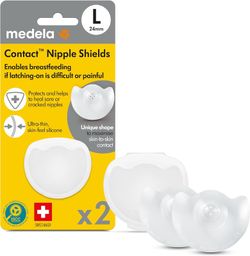
After washing your hands with clean water and drying them thoroughly, hold the Contact™ Breastfeeding Shield by the wings to position it. Moistening the shield with clean water will help it adhere. Refer to the Contact™ Breastfeeding Shield instructions for instructions on how to apply them. The shield should fit comfortably on the nipple without pinching it. Medela breastfeeding shields are available in three sizes, so you can find the right one for your nipple type. You'll find more information in our handy fitting guide. Remember to clean them after each use and disinfect them once a day. Often, the easiest way to do this is by using a microwave sterilizing bag. See the instructions for more information on cleaning and disinfecting. Contact™ Nursing Nipple Shields come with a convenient carrying case so you can safely store them between uses.
Nipple Shields for Sore Nipples:
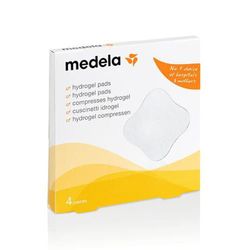
Cracked or sore nipples can have different causes, so it's important to figure out the root of the problem before deciding what to do next. For example, if you have sore nipples, you may want to try hydrogel patches or nipple shields first, in addition to seeking breastfeeding support. If these measures don't improve the situation, Contact™ Nursing Nipple Shields can protect your nipples while still allowing you to breastfeed. They're made from soft, ultra-thin silicone, making them perfect for use even with sore, dry, or cracked skin.
Nipple shields for flat or inverted nipples:
If you have flat or inverted nipples, your baby may have difficulty achieving a good latch, especially when young, although this doesn't mean you can't breastfeed. An inverted or flat nipple may not make contact with your baby's palate, which can make it impossible to trigger the sucking reflex. In this case, Contact™ nipple shields can help by extending the reach of your nipple. And because they're tasteless, your baby is unlikely to notice a strange taste while using them.
Helping your baby achieve a good latch:
As mentioned above, using a nipple shield can provide a larger, firmer target for a baby who has latch difficulties. Your lactation consultant or specialist can ensure your baby achieves a good latch while using the shield. You'll also need to monitor your baby's weight gain to ensure your milk supply is meeting their needs. Nipple shields are generally considered a short-term solution; over time, as your baby's suckling ability improves and you become more comfortable breastfeeding, you can begin to wean yourself off the shields.