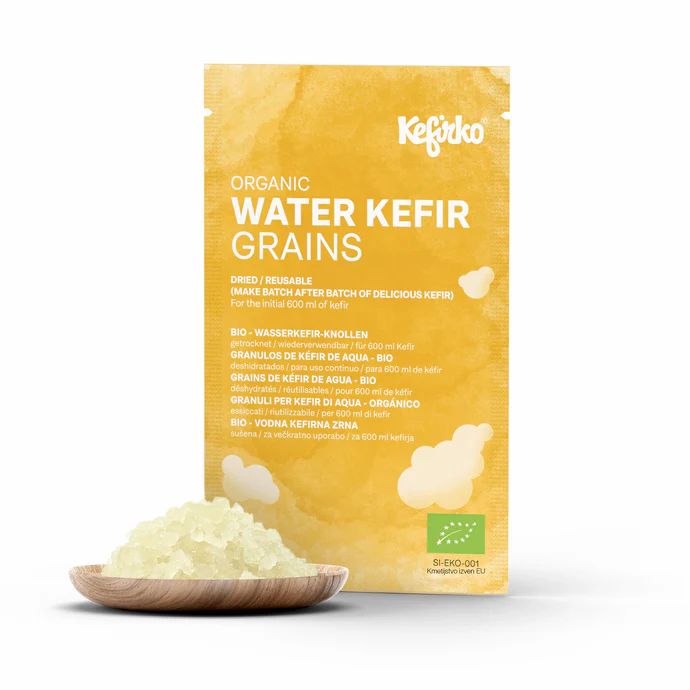
What do you get in your 5g pack?
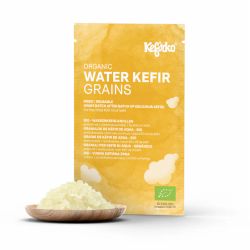
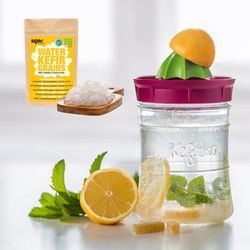
- 5g of dehydrated organic water kefir grains (tibicos).
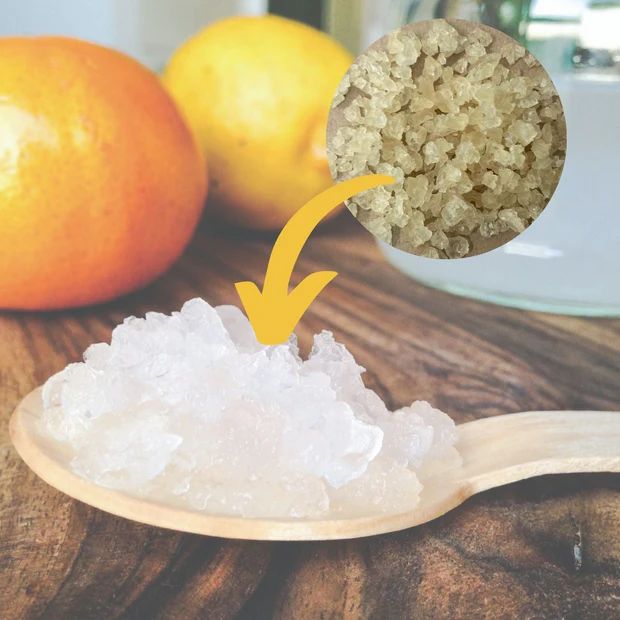
- Potential to reconstitute into 30g of fresh culture, ready to prepare your first 600ml of kefir.
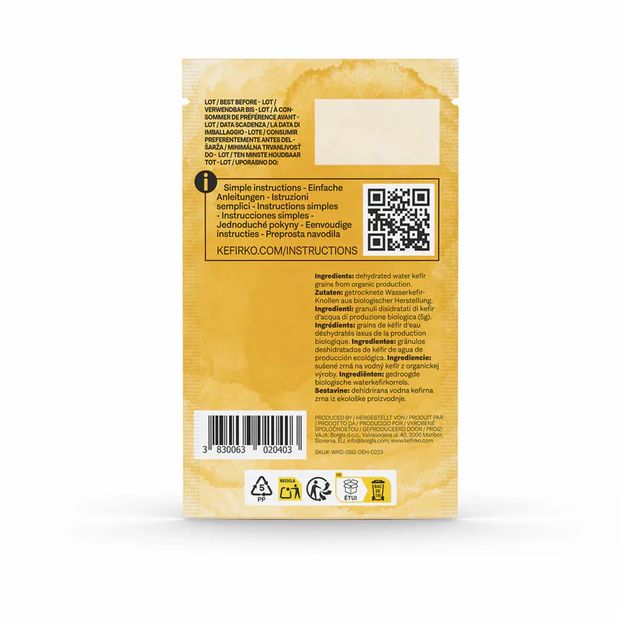
- A shelf life of 1 year thanks to its dehydrated format, with a best before date indicated.
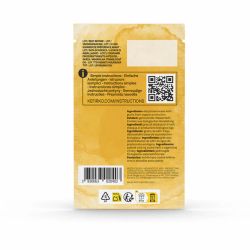
- Complete activation instructions and a foolproof recipe to get you started with confidence.
This product contains 5 g of dehydrated (freeze-dried) water kefir grains.
- Although the amount seems small, it is enough to prepare up to 0.6 L of kefir after activation.
- The grains activate, grow, and multiply, so they are reusable.
- This is not a pre-hydrated or ready-to-drink culture.
What is water kefir?
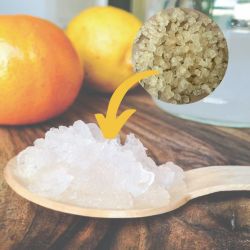
Water kefir is a delicious, natural probiotic drink made with water, kefir grains, and sugar. It is lactose-free and ideal for vegan and vegetarian diets. To make water kefir, all you need are live cultures – water kefir grains, also known as tibicos, tibi, or sugar granules. The granules consist of a variety of bacterial and yeast cultures held together by a polysaccharide matrix created by the bacteria themselves. The culture feeds on glucose and produces lactic acid and carbon dioxide, creating a carbonated fermented beverage with a very low sugar content. 5g of organic water kefir grains. These are reconstituted into 30g of fresh water kefir grains to initially prepare 600ml of water kefir. The shelf life of our dehydrated water kefir grains is 1 year (they can remain dehydrated for up to 1 year). All grains come with activation and care instructions, and a recipe for making kefir.
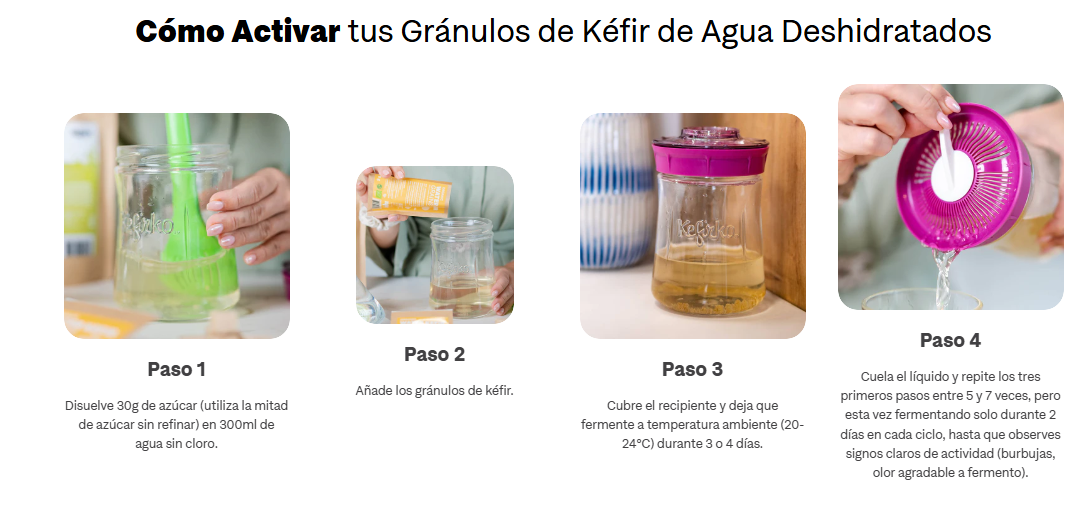
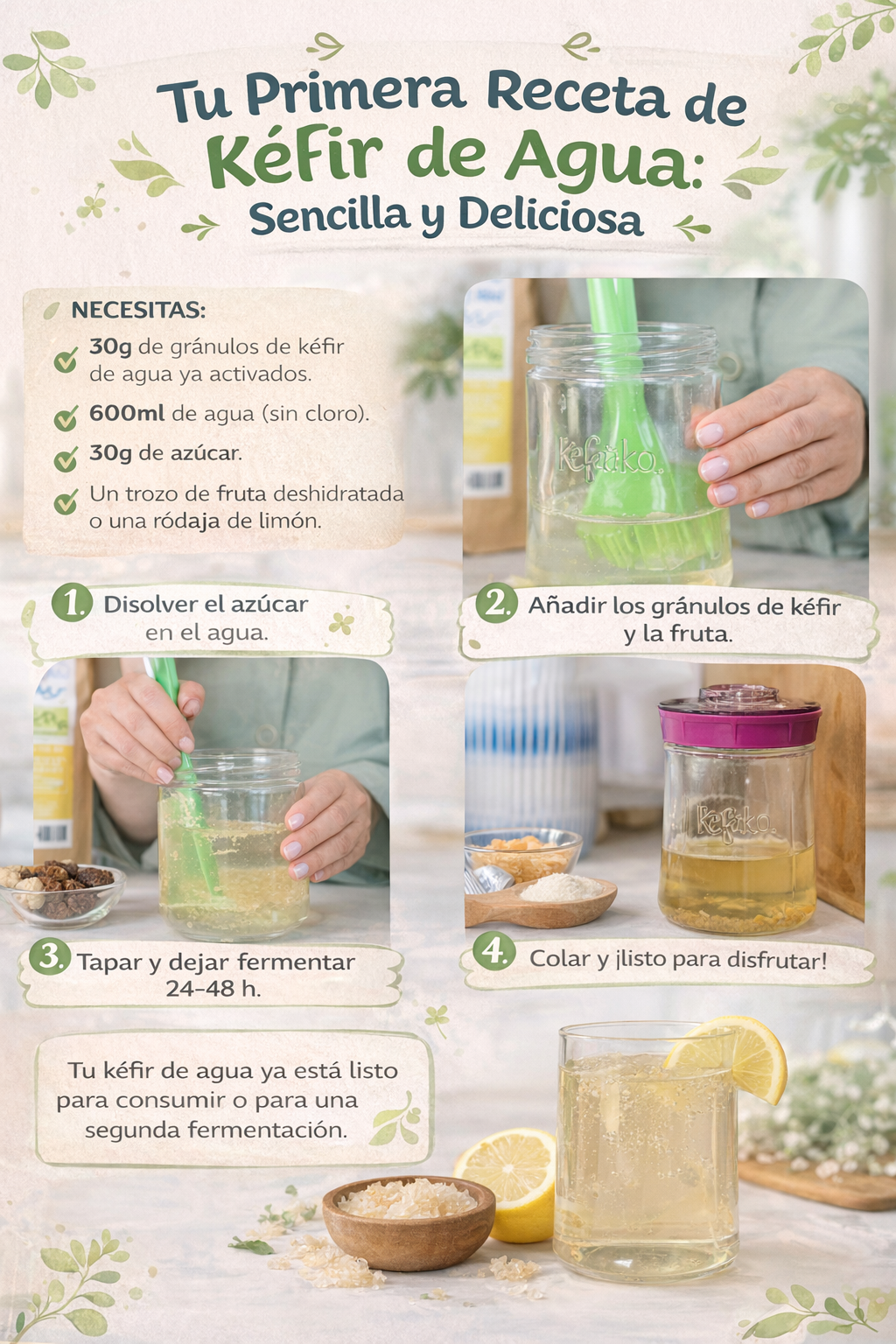
ACTIVATION RECIPE:
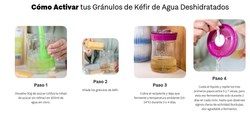
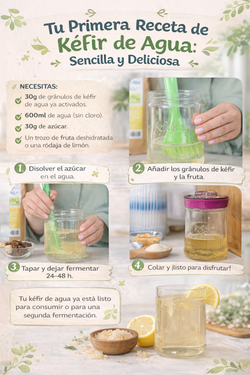
- Dissolve 30g of sugar in 300ml of mineral water (non-chlorinated), then add the grains and a pinch of bicarbonate of soda.
- Let it ferment for 2 days.
- Strain and discard the water.
- Repeat the process 1-3 more times until you begin to notice some activity.
- Strain and enjoy your kefir.
WHAT TYPE OF WATER TO USE:
It is very important to use non-chlorinated water when making kefir. Chlorine in the water (even residual chlorine) can kill the kefir microorganisms.
Filtered water can be used, but keep in mind that in the case of superfiltration (for example, reverse osmosis water), the water will be very low in minerals, which are important for the grains to grow, especially when trying to reactivate them. If you don't have any other type of water, in this case it would be important to add minerals to the water (unrefined sugar, bicarbonate of soda, or molasses). It is also recommended to use lukewarm water during the reactivation process of the kefir grains, and afterward as well, since large temperature changes could also negatively affect the kefir grains. WHAT TYPE OF SUGAR TO USE TO REACTIVATE THE GRAINS When reactivating (rehydrating) kefir grains, it is important to promote their growth. For this reason, it is recommended to add a little unrefined brown sugar during these initial steps. You can use 25 g of white sugar and 5 g of brown sugar during activation. It is important to use at least some of the sugar that is rich in minerals during the activation process. Later, you may need to reduce the amount of minerals by using white sugar, especially if your grains are They are becoming soft, which would be a sign of excess mineralization.
WHEN AND HOW SHOULD I ADD MORE MINERALS TO MY KEFIR WATER?
Kefir grains need minerals to survive and reproduce. Sometimes there are enough minerals in the water we use, but other times it is necessary to add them.
WHEN YOU MAY NEED TO ADD MINERALS:
- during the activation of the kefir grains
- when the grains are not growing
- when the kefir has not fermented in more than 48 hours
WHAT MINERALS CAN I ADD?
- Baking soda: less than one teaspoon.
- Molasses: less than one teaspoon.
- Unrefined sugar: to replace some of the sugar white.


Posso usar com leite de aveia ou de leite de coco?
Kefirko Granulos Deshidratados Eco de Kefir de Água são grânulos de kefir especificamente adaptados para fermentar água com açúcar ou sucos de frutas. Embora sejam projetados para crescer e fermentar em meios aquosos, você pode tentar usá-los com leites vegetais como o leite de aveia ou leite de coco, mas há algumas considerações a ter em mente:
Adaptação dos Grânulos: Os grânulos de kefir de água podem precisar de um período de adaptação ao novo meio. Isso pode levar algumas rodadas de fermentação, durante as quais a atividade fermentativa pode ser menos previsível.
Nutrientes Necessários: Leites vegetais podem não fornecer todos os nutrientes que os grânulos de kefir de água precisam. Adicionar uma pequena quantidade de açúcar ou outro tipo de adoçante pode ajudar, pois os grânulos de kefir de água normalmente fermentam açúcares.
Consistência do Produto Final: O resultado pode ser diferente em termos de sabor e textura comparado ao uso de grânulos de kefir de leite tradicionais. O leite de coco pode resultar em uma textura mais espessa e cremosa, enquanto o leite de aveia pode resultar em uma consistência mais líquida.
Monitoramento Frequente: Ao fazer a transição para um novo meio, é importante monitorar os grânulos de kefir frequentemente para garantir que estão saudáveis e ativos. Se os grânulos começarem a parecer menos ativos ou mudarem de cor, pode ser necessário retornar ao meio original para revitalizá-los.
Se decidir tentar, comece com uma pequena quantidade de grânulos para testar como eles se adaptam ao novo meio. Boa sorte com sua fermentação!
---
Kefirko Gránulos Deshidratados Eco de Kéfir de Agua son gránulos de kéfir específicamente adaptados para fermentar agua con azúcar o jugos de frutas. Aunque están diseñados para crecer y fermentar en medios acuosos, puedes intentar usarlos con leches vegetales como la leche de avena o la leche de coco, pero hay algunas consideraciones a tener en cuenta:
Adaptación de los Gránulos: Los gránulos de kéfir de agua pueden necesitar un período de adaptación al nuevo medio. Esto puede llevar varias rondas de fermentación, durante las cuales la actividad fermentativa puede ser menos predecible.
Nutrientes Necesarios: Las leches vegetales pueden no proporcionar todos los nutrientes que los gránulos de kéfir de agua necesitan. Añadir una pequeña cantidad de azúcar u otro tipo de edulcorante puede ayudar, ya que los gránulos de kéfir de agua normalmente fermentan azúcares.
Consistencia del Producto Final: El resultado puede ser diferente en términos de sabor y textura comparado con el uso de gránulos de kéfir de leche tradicionales. La leche de coco puede resultar en una textura más espesa y cremosa, mientras que la leche de avena puede resultar en una consistencia más líquida.
Monitoreo Frecuente: Al hacer la transición a un nuevo medio, es importante monitorear los gránulos de kéfir frecuentemente para asegurar que están saludables y activos. Si los gránulos comienzan a parecer menos activos o cambian de color, puede ser necesario regresar al medio original para revitalizarlos.
Si decides intentarlo, empieza con una pequeña cantidad de gránulos para probar cómo se adaptan al nuevo medio. ¡Buena suerte con tu fermentación!
Fácil de hidratar, aunque en invierno hay que alimentar más días.
How do reviews and ratings work?
The opinions and ratings of the products are mostly made by registered customers who have purchased the product. These reviews appear with a "verified purchase" mark. In any other case this mark does not appear. The product rating, out of 5 stars, is calculated as the average of all published ratings for the product. To ensure the information is useful for other customers, reviews and ratings, whether positive or negative, are published after prior approval.